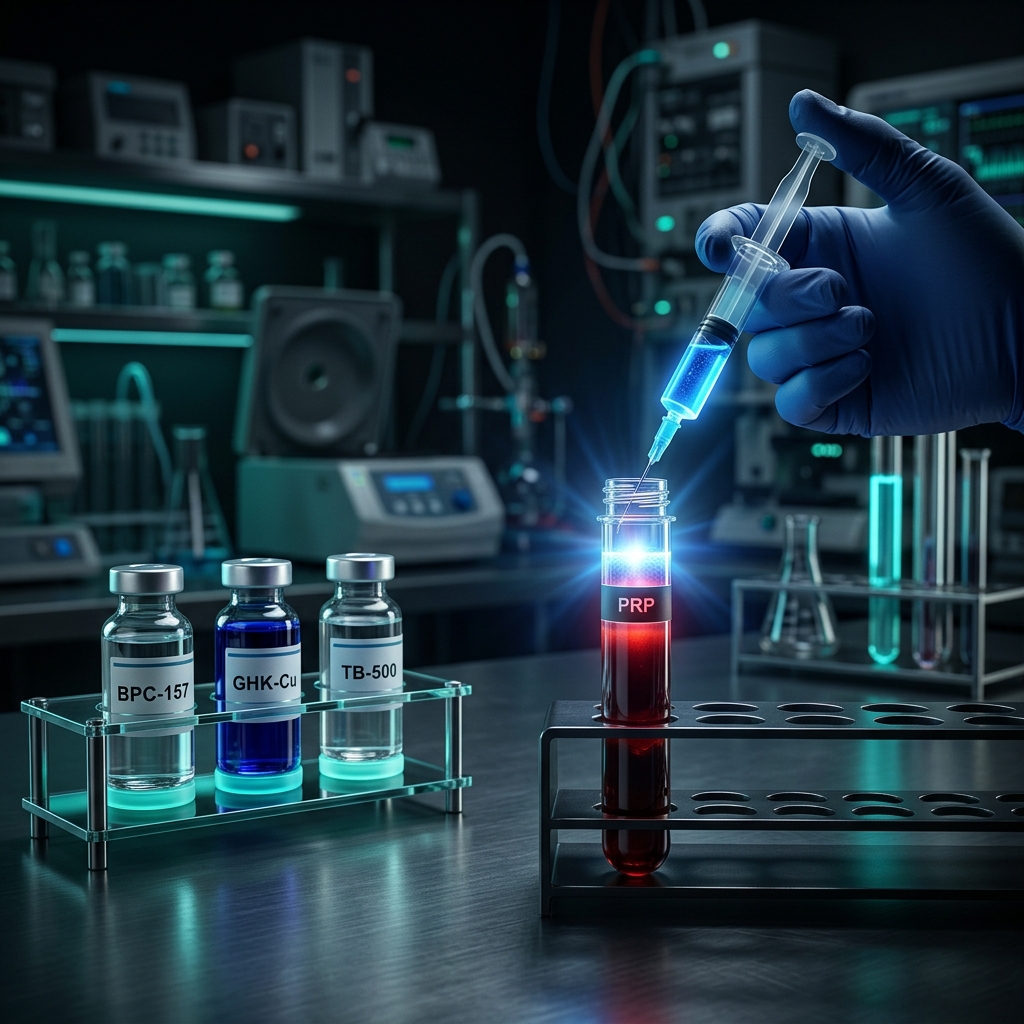
Autologous PRP and PRF are only as strong as the patient who made them. PRP 2.0 stacks exogenous growth factors and high-purity peptides directly into your plasma, PRF, or exosome base — so weak plasma becomes workable and good plasma is amplified roughly ten-fold. Compounded by Peptology Labs.

PRP 2.0 is not a richer spin protocol. It is an amplification layer — exogenous growth factors and clinical peptides that command a regenerative outcome regardless of the patient's biological age.
Standard PRP and PRF are capped by the donor. Age, diet, medication, and chronic inflammation all lower the concentration and potency of a patient's own growth factors. Spin an older or unwell patient's blood and you get thin, low-signal plasma — the treatment under-delivers no matter how good your technique is.
You keep the autologous base — then layer in pure, lab-made signals the patient can no longer produce in quantity. The result is a controlled, repeatable outcome instead of one dictated by the patient's biology.
A modular menu — combined to the indication. Exact strengths and combinations are shared in clinic onboarding. No concentrations are published.
One amplification logic, applied to the cases that matter most for regenerative aesthetics.

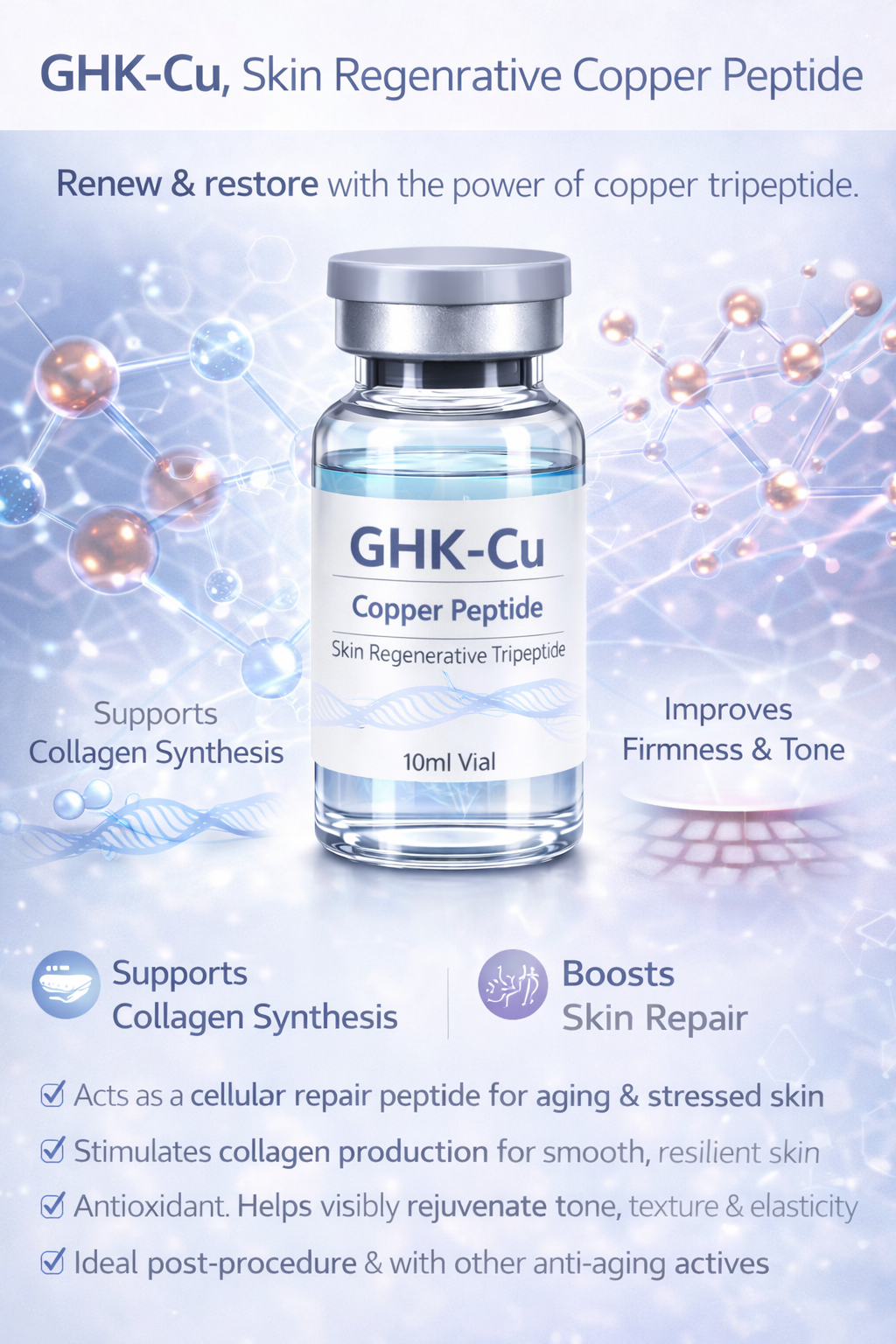
Amplified plasma driven in with microneedling for glow, tone, and dermal density — the GHK-Cu / FGF / EGF stack carries skin-quality results far beyond a standard PRP facial.

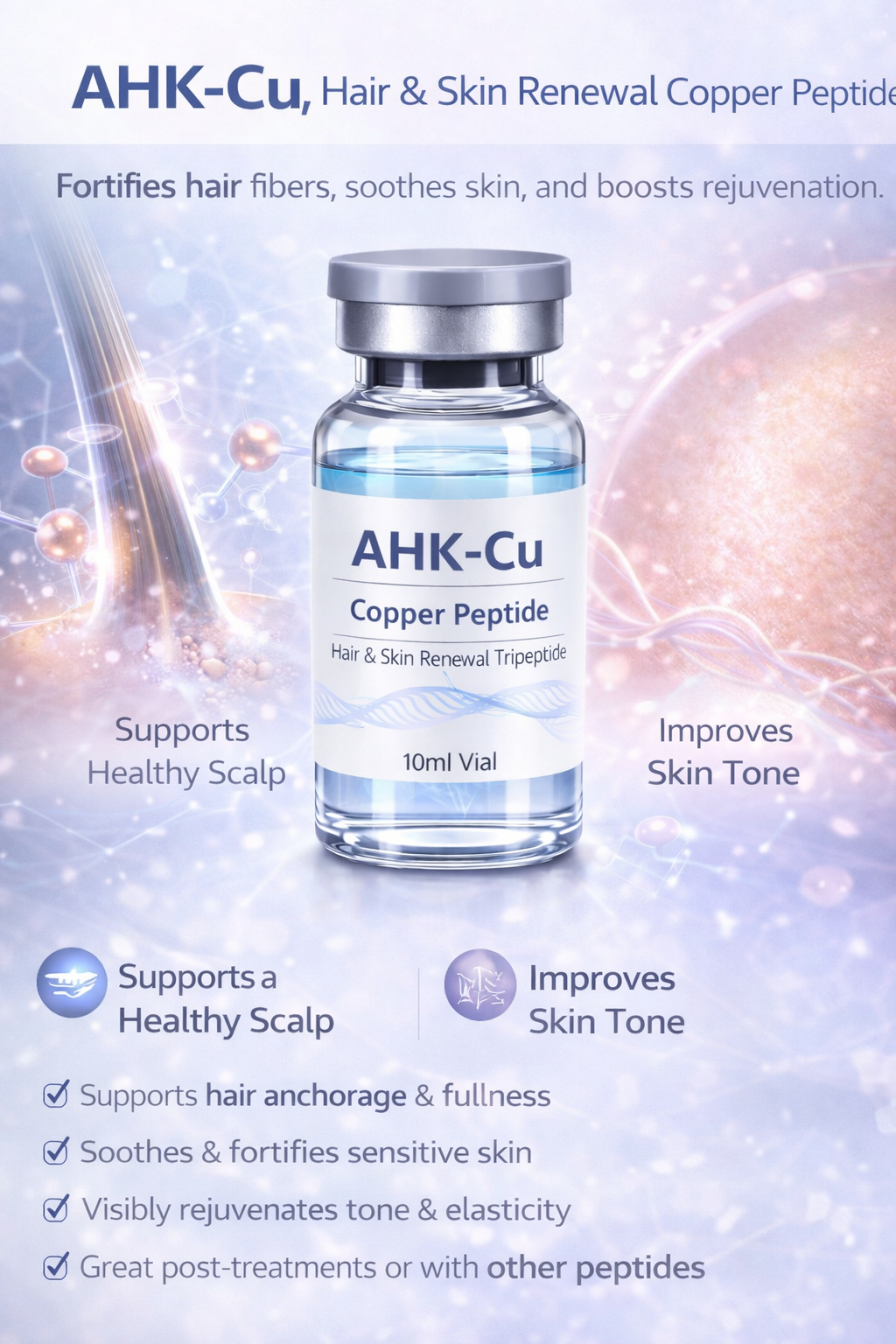
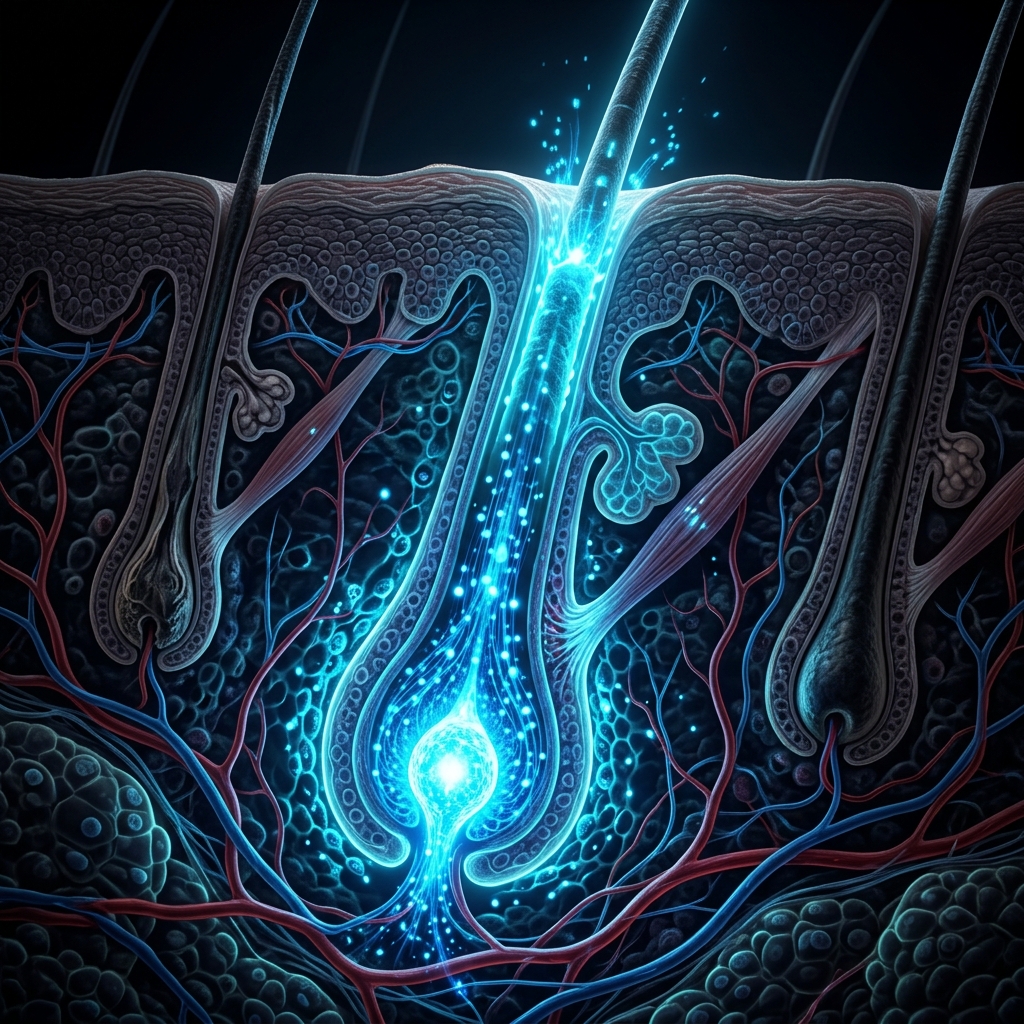
The AHK-Cu + FolliSignal + PDRN scalp protocol targets the Wnt/β-catenin follicle switch — built for thinning and shedding cases where plain PRP plateaus.

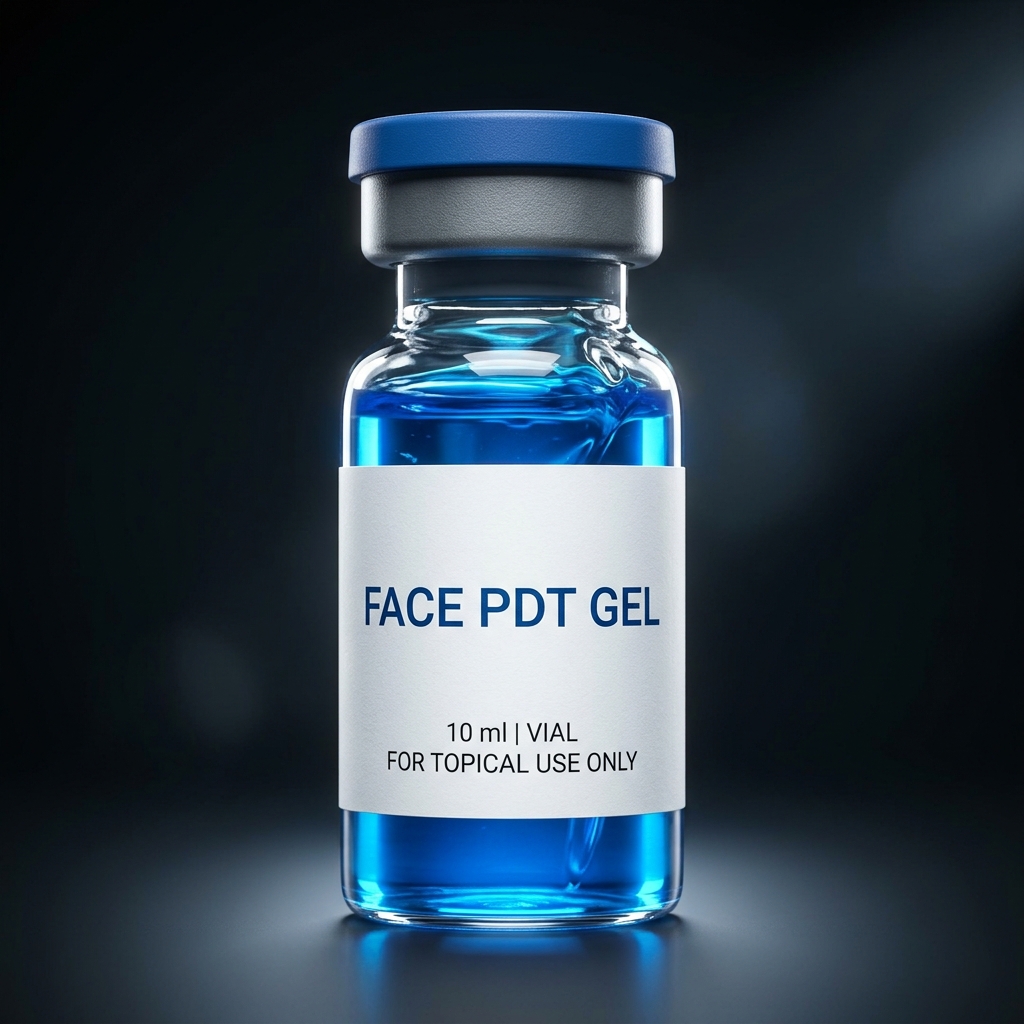
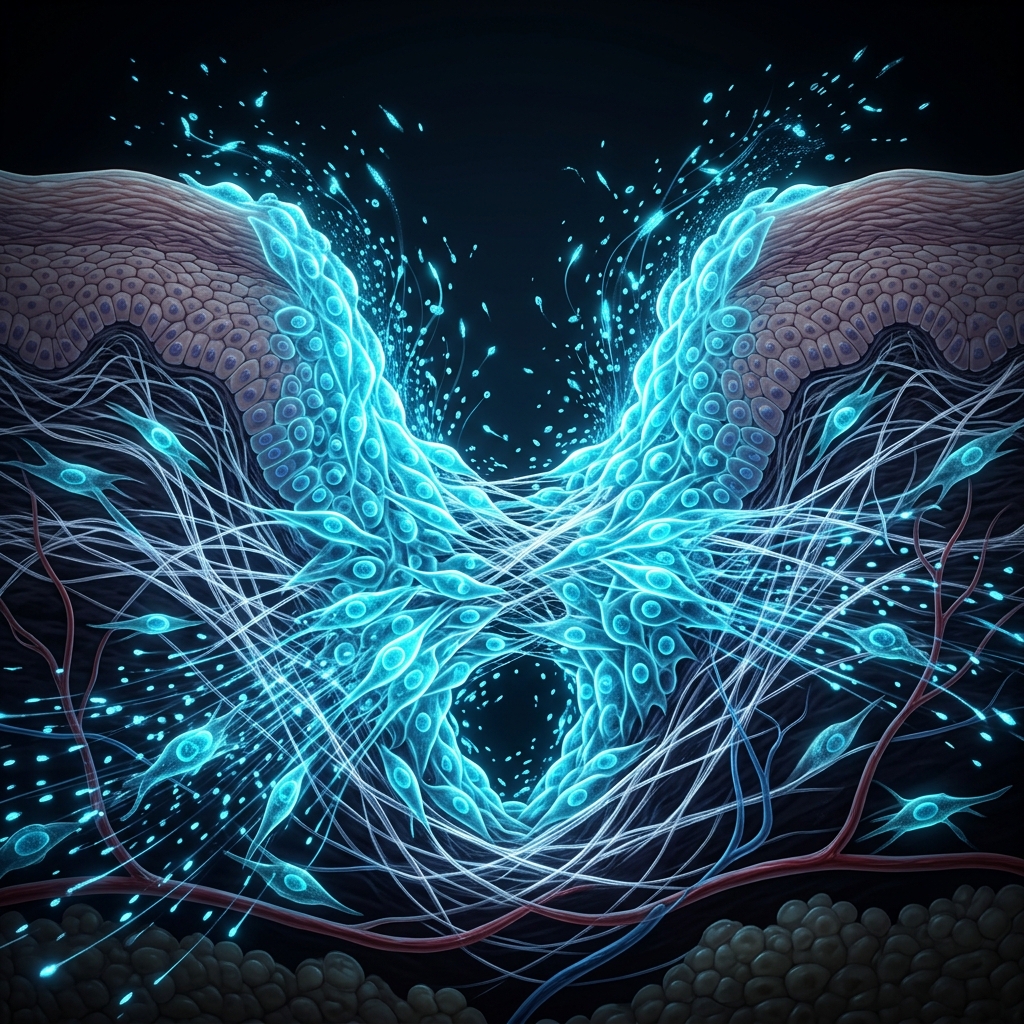
Layered after needling, laser, or PDT to accelerate repair and cut downtime — PDRN and copper peptides shorten the recovery window with minimal flare.
Same autologous foundation — engineered past the patient's biological ceiling.
Clinic onboarding, stack selection, and protocol training for regenerative practitioners. Researchers and partners welcome.
Inquire for Clinic Access