NAD+ is your body's fuel for energy and DNA repair. After 30 it steadily drops — NMN tops it back up, like plugging in a dying phone. Peptology compounds pure NMN across four clinical delivery formats, each verified for purity, not thickened with filler.

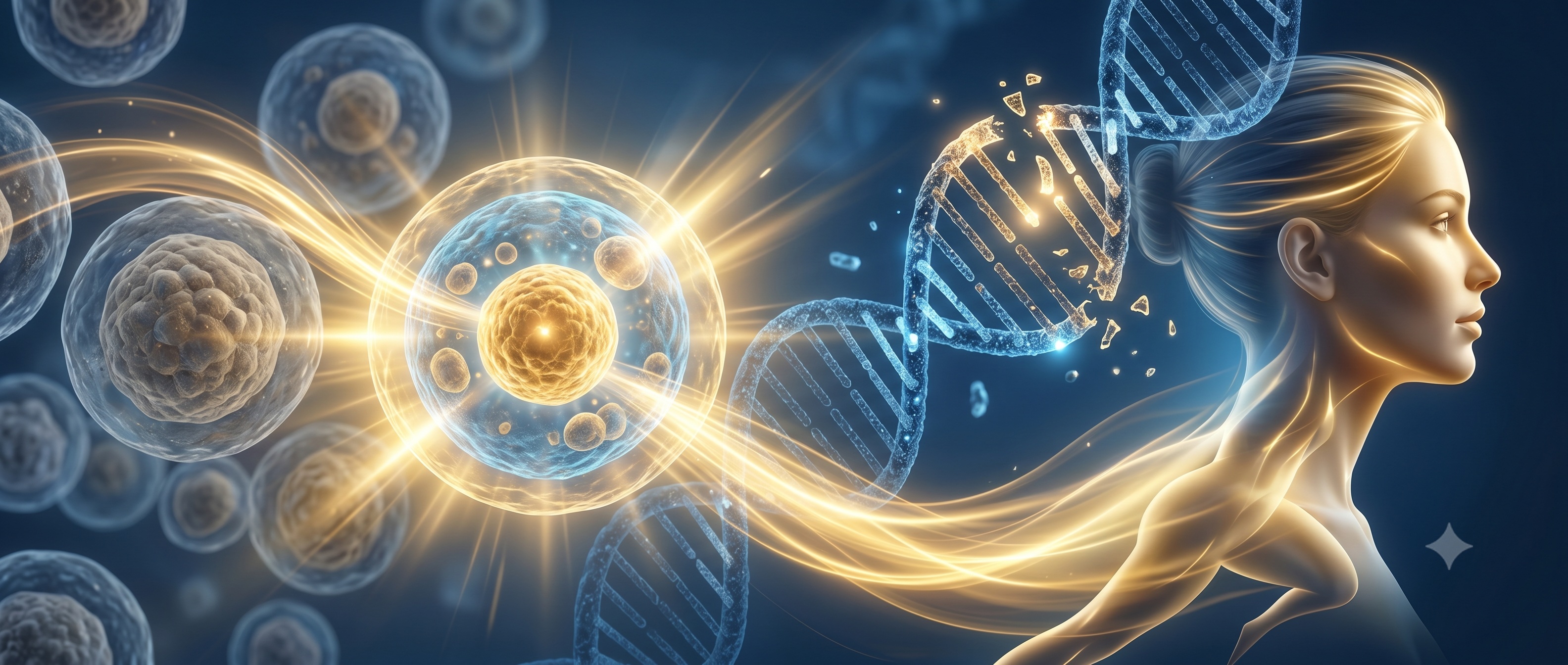
By age 50, NAD+ levels are roughly half what they were in youth. That decline sits underneath fatigue, slow repair, and visible ageing.

By age 50, NAD+ is ~50% lower than in your youth — the root driver of chronic fatigue, slow healing, and cognitive fog.

Without NAD+, the body's repair crew (sirtuins) can't fix broken DNA — accelerating the physical signs of ageing.

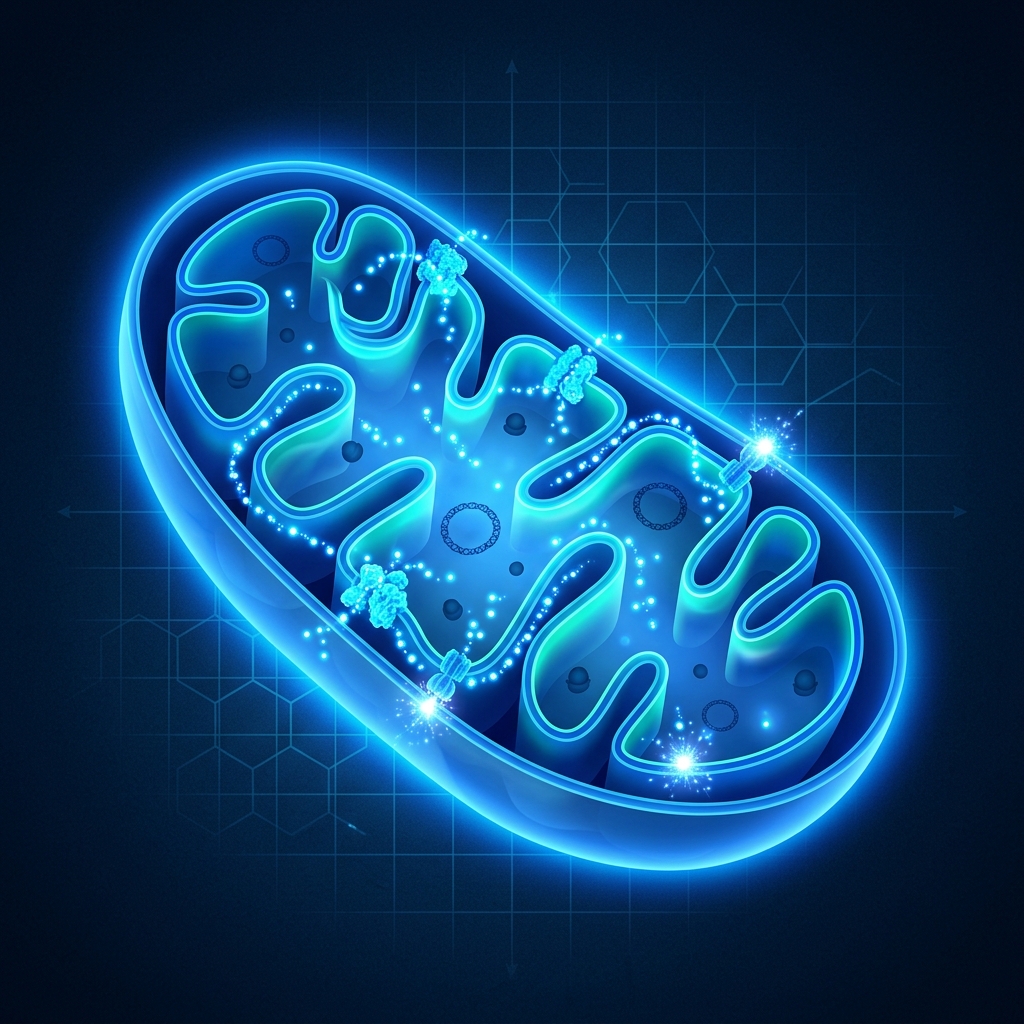
When the fuel runs out, the power plants in your cells stop making energy. Your cells aren't just tired — they're starving.
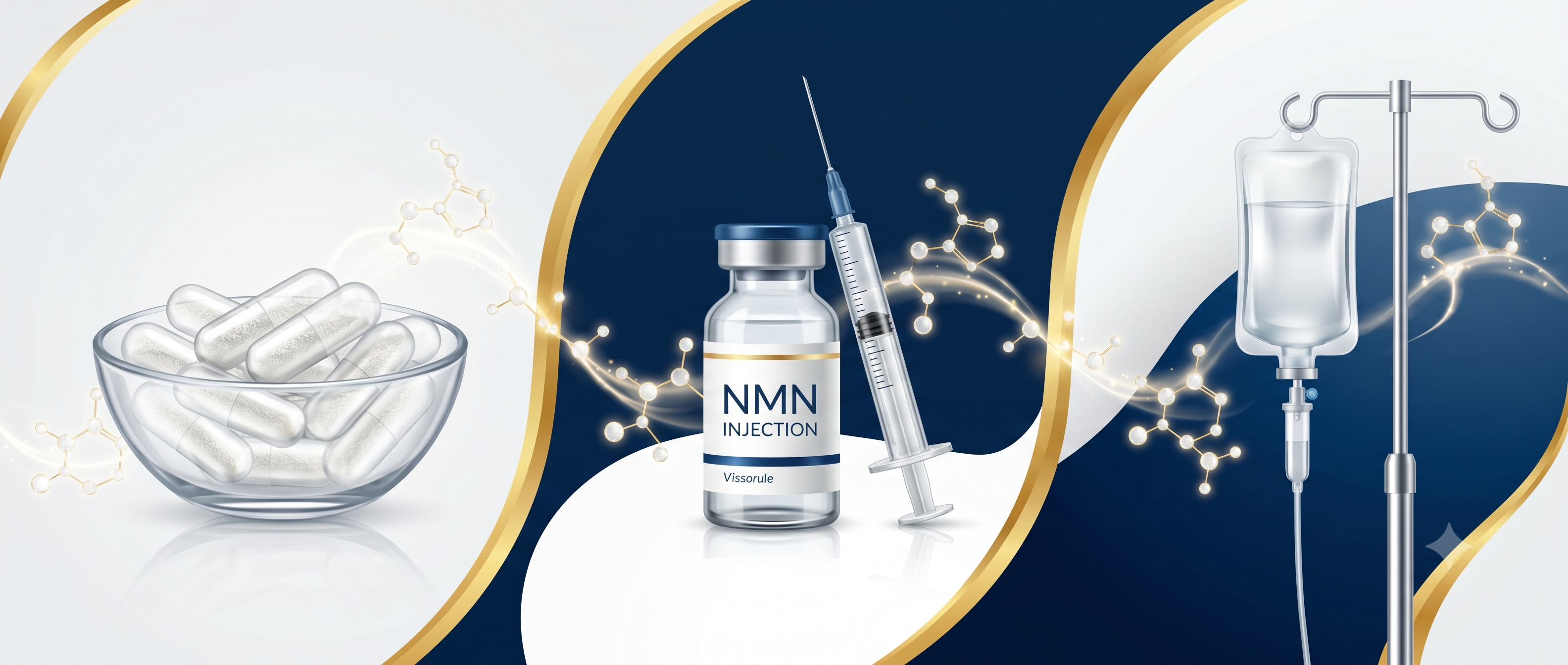
From a daily acid-resistant capsule to a clinic IV drip — matched to how fast and how high you need to push NAD+.
Pure NMN in an acid-resistant DRcaps capsule that survives stomach acid and releases in the intestine for real absorption — bypassing the degradation that wastes ordinary NMN powders.
NMN encapsulated in liposomes for higher uptake, paired with TMG (trimethylglycine) — a methyl donor that replenishes the methyl groups NMN metabolism consumes. The most complete oral protocol.
Subcutaneous injection bypasses the gut entirely for high, steady NAD+ uptake — an at-home clinical option between oral and IV, without a drip chair.
Direct-to-bloodstream infusion delivers the highest, fastest systemic NAD+ rise — the clinic standard for intensive recharge, administered by a practitioner.
Bioavailability rises as you move from gut to bloodstream. The right format depends on the goal — daily maintenance vs. intensive clinical recharge.
| Format | Route | NAD+ Bioavailability | Onset | Best for | Setting |
|---|---|---|---|---|---|
| Oral — DRcaps | Gut (enteric) | Moderate | Gradual | Daily maintenance | At home |
| Oral — Liposomal + TMG | Gut (liposomal) | Higher | Gradual | Daily, with methyl support | At home |
| SubQ | Subcutaneous | High | Fast | Steady clinical uptake | At home / clinic |
| IV | Intravenous | Highest | Immediate | Intensive recharge | Clinic only |
Relative comparison for education only — individual response varies. Injectable formats require a licensed practitioner.
Direct NAD+ works — but it is slow and uncomfortable. NMN is the precursor your cells actually prefer to take up.
NAD+ is a large, charged molecule. Pushed too fast it triggers palpitations, chest tightness, flushing, nausea and cramping — so clinics must run it slowly over 1.5–4 hours. Research also indicates circulating NAD+ is largely broken down outside the cell into NMN / NR before uptake — meaning the slow, uncomfortable infusion often just delivers the same precursors the hard way.
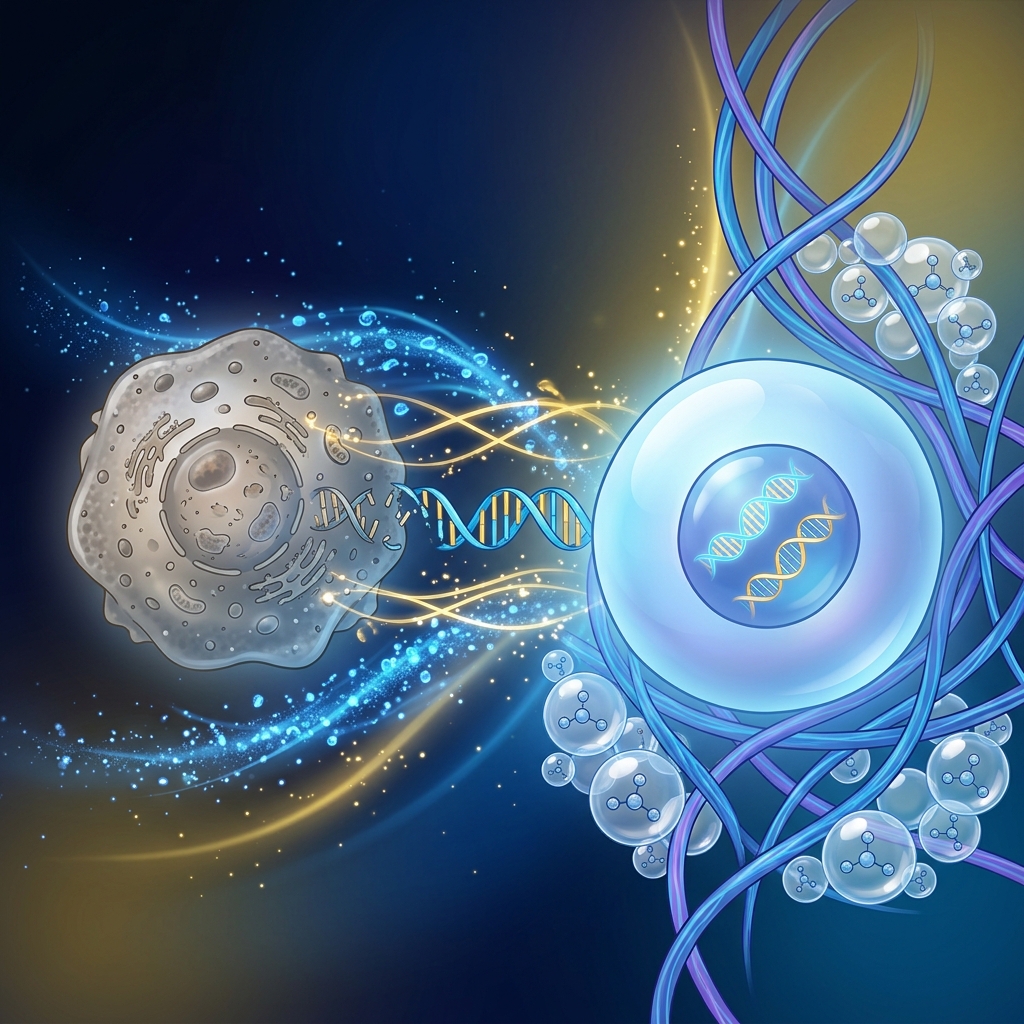
NMN is converted to NAD+ through the salvage pathway (via NMNAT) — the same route cells use to build NAD+ themselves. It raises NAD+ without the infusion-chair side effects, works orally and subcutaneously, and is supported by a growing body of human research on safety, insulin sensitivity and physical function.
For sustained, tolerable NAD+ elevation, the precursor (NMN) is superior for most people: the same NAD+ goal, no slow drip, no palpitations. Direct NAD+ IV stays a clinic option for intensive, supervised cases — but it is the uncomfortable long way around. Educational comparison only — not medical advice. Injectable formats require a licensed practitioner.
When your body clears excess NMN/NAD+ metabolites, it uses methyl groups (the SAMe methylation pool). Run that pool down and you can blunt the benefit and stress methylation.
TMG (trimethylglycine / betaine) is a clean methyl donor that replenishes that pool — which is why our premium oral pairs NMN with TMG by design, not as an afterthought.
Tell us your goal — daily maintenance, recovery, or intensive clinical recharge — and we'll match the right NMN format. Clinic and practitioner channels welcome.
Contact Us / Save Card